

Social Skills
The Blog
What to Expect in the First 4 Weeks of a Social Skills Program
Thinking of starting a social skills program for your teen? Here's exactly what the first four weeks look like — the sessions, the skills, the homework, and what early progress really looks like.
How to Know if Your Teen Is Ready for Social Skills Training
Not sure if your teen is ready for a social skills program? Here are the real signs of readiness — why motivation matters most, and why teenage resistance isn't a dealbreaker.

Does Online Social Skills Training Actually Work? What the Research Says
Skeptical that social skills can be taught online? Here's what a UCLA study found about online vs in-person PEERS® — and why online can work even better for some teens.
10 Social Skills Your Teenager Should Have by Age 16 (A checklist for parents)
A simple checklist of 10 social skills most teens should have by age 16 — what they look like when they're missing, and how to help teens with autism or ADHD catch up.

Why Reputation Matters More Than Your Teen Thinks (And What To Do About It)
A bad reputation can close doors for teenagers before they even get started. Here is why reputation management matters and what young people can actually do about it.

Building Self-Esteem and Social Skills: A Neurodiversity-Affirming Guide
Did you know that 85% of autistic adults report that social challenges significantly impact their quality of life, while a 2024 study found that 40% of children with autism struggle with low self-worth? It's deeply painful to feel like a perpetual outsider or to carry the heavy weight of past social rejections. You deserve to move through the world without the constant, draining anxiety of "getting it wrong" in every conversation. We believe that building self-esteem and social skills isn't about "fixing" your personality; it's about providing the ecological validity and predictable frameworks you need to thrive as your authentic self.

Anxiety, Autism or ADHD? How to Tell What's Behind Your Teen's Social Struggles
Is your teen's social struggle caused by anxiety, autism, ADHD, or all three? Here is how to tell the difference and why regardless of diagnosis, the approach to building social skills is the same.
Nobody tells you about the Friday nights.
Nobody warns you about the Friday nights. If your teenager with autism is struggling to make friends, here's what's really going on, and what can actually help.
The PEERS Method: Why Evidence-Based Social Skills Training Works
Not all social skills programs are created equal. Here is what makes PEERS® different, what evidence-based actually means, and why it works when other approaches don't.
What Can Jazz Teach Us About Social Skills?
Jazz isn't just music, it's conversation. Discover how the structure of jazz mirrors the social skills we teach in PEERS®, and why those skills are learnable for every young person.
Why the Difference Between Targeted Teasing and Banter is a Skill Worth Teaching
Not all teasing is the same. And knowing the difference is a skill that can be taught. Here's how PEERS® helps neurodivergent young people recognise, respond to, and move past teasing with confidence.
When Your Autistic Teen Has an Intense Crush: What Parents Need to Know
If your autistic teen has developed an intense fixation on someone they like, you are not alone. And it is not something to panic about.
What you are observing is not a character flaw or a sign that something isn't going as it should. For many autistic young people, romantic feelings can be experienced more intensely and for longer than their peers. The desire for connection is real and it is meaningful. What is often missing are the practical skills to navigate those feelings in ways that feel comfortable for everyone involved.
Three Myths About Autistic Teenagers and Friendships (That Might Be Holding Your Child Back)
Most parents have heard at least one myth about autistic teenagers and friendships. Christine from Social Skills Australia breaks down the three most common and what the research actually tells us instead.
5 Reasons Why Nothing Is Working for Improving Your Teen's Social Skills
Tried therapy, social groups, and advice-but your teen is still struggling socially? Here are the 5 reasons nothing is working, and what evidence-based support actually looks like.
Why Your Teen Has Friends Online But Not In Real Life
Is your teen spending hours online with friends but never seeing anyone in person? Learn why this happens and how to help your teen bridge the gap to real-world friendships.
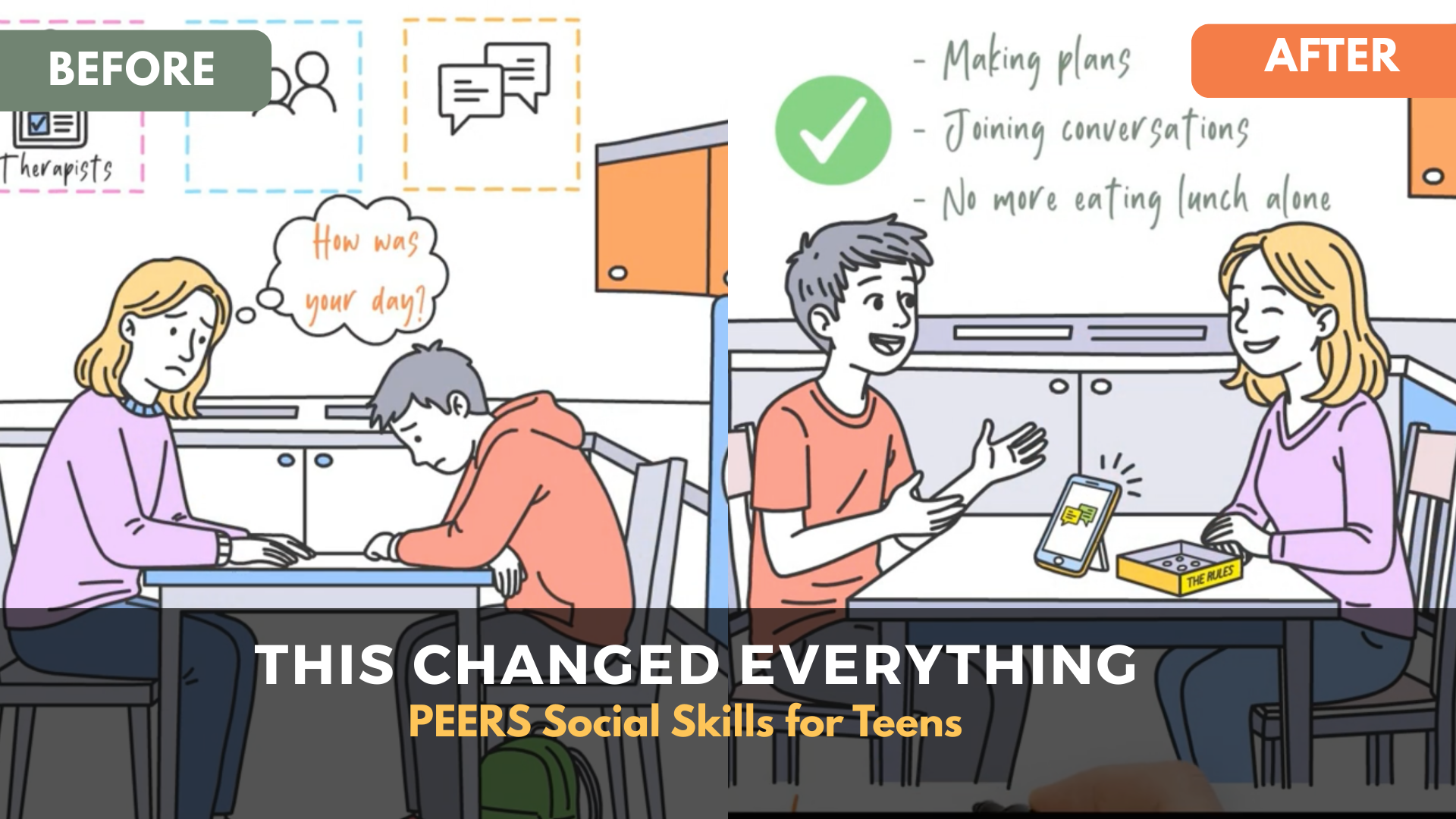
Why Your Teen Struggles to Make Friends, And What Actually Works
If your teen has autism or ADHD and struggles socially, you are not alone. And more importantly, it’s not because there’s something “wrong” with them. They just haven’t been taught the steps yet.
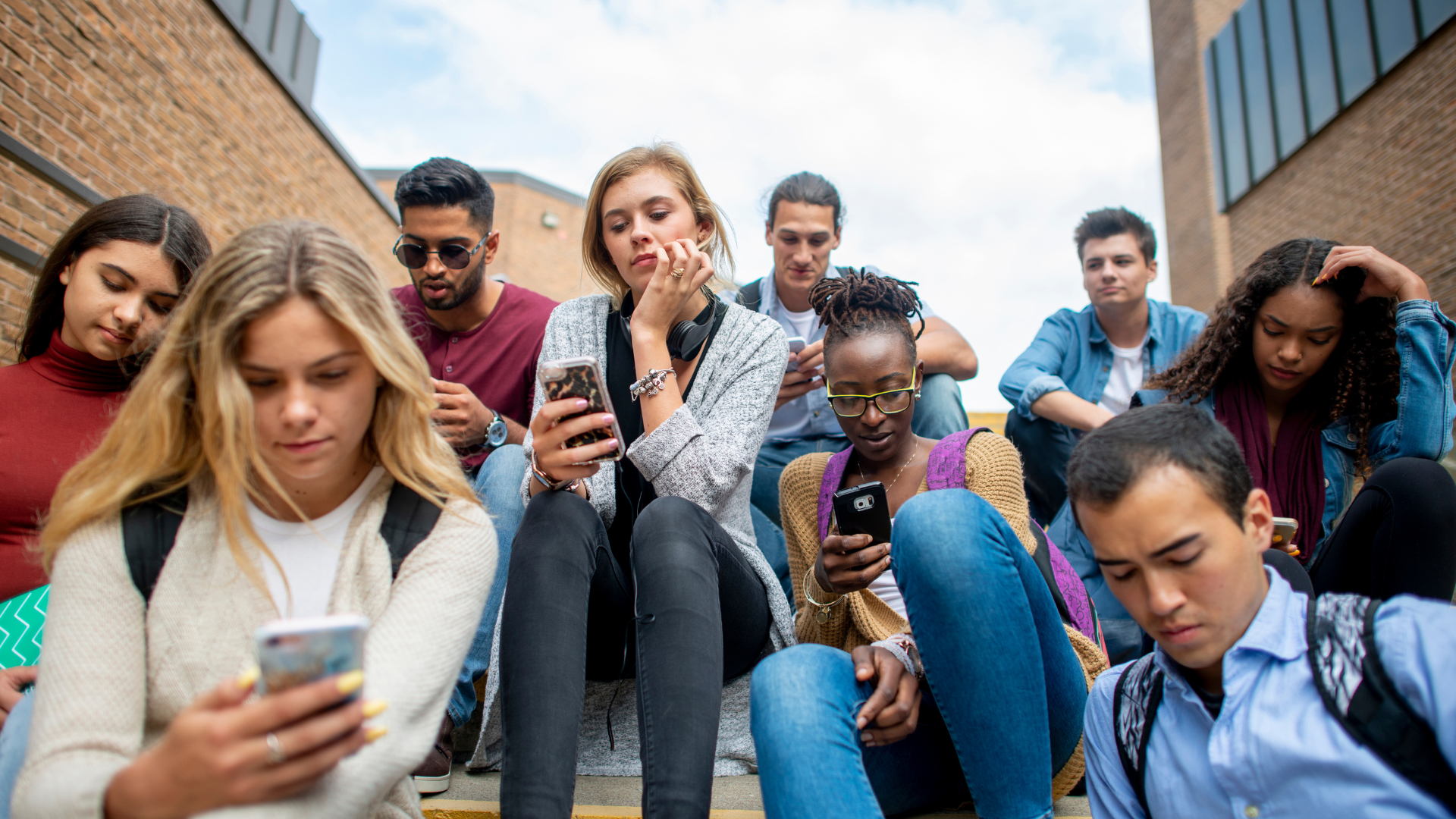
Common Social Mistakes Teens with ADHD Make (And How to Fix Them)
Teens with ADHD desperately want friends but often make these 3 social mistakes without realising it. Learn why it happens and how to help your ADHD teen build lasting friendships.
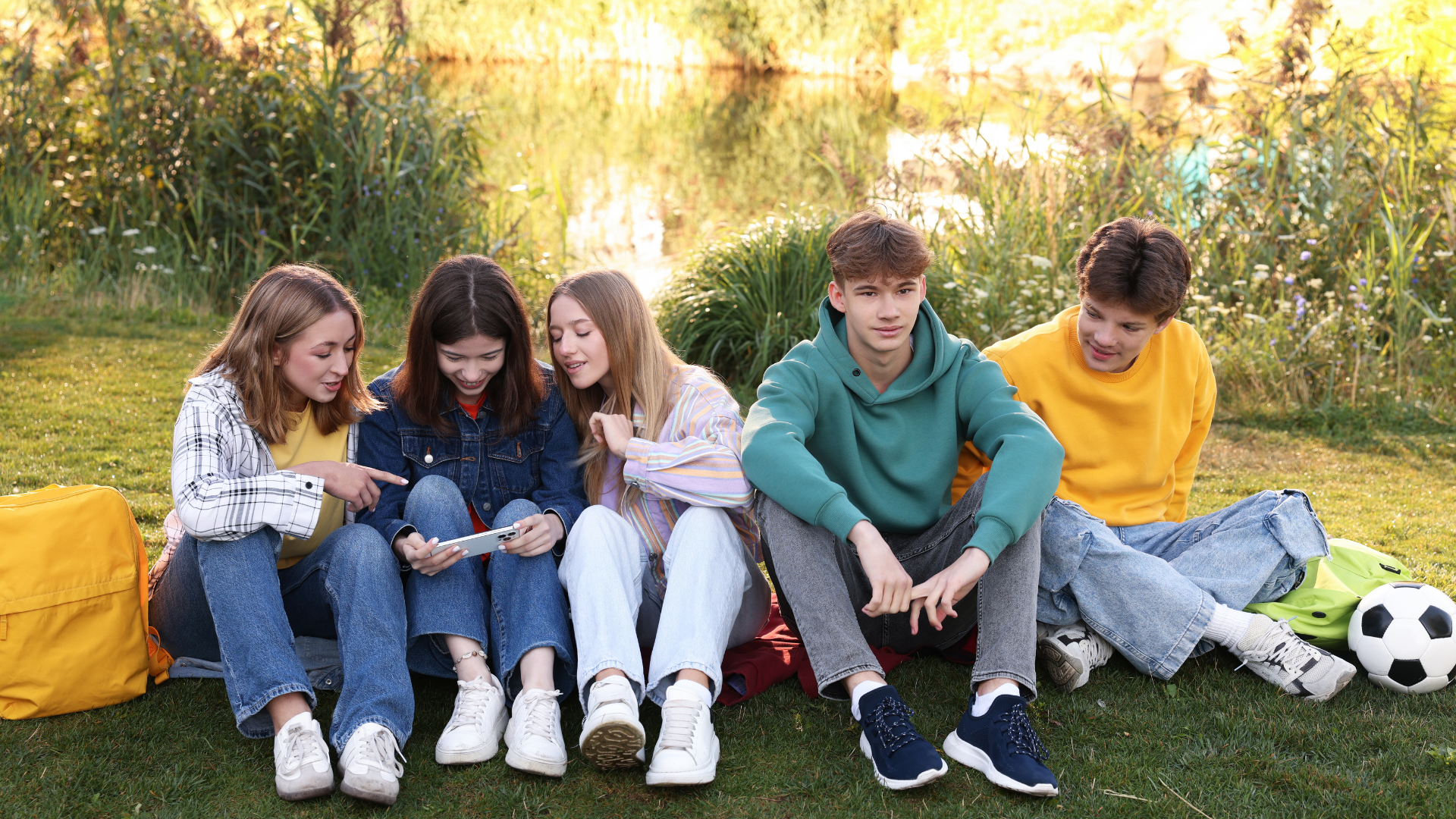
How to Help Your Autistic Teen Make Friends
"Put yourself out there."
"Friends will come when you least expect it."
If you're a parent of an autistic teenager, you've probably heard all this advice. And if you're like most parents I work with, you've also watched your teen try to follow it—and fail.

Nourish to Flourish: Supporting Social and Emotional Wellbeing
Supporting social and emotional wellbeing goes far beyond physical health. For many children, teens, and young adults — particularly those who are autistic or neurodivergent — flourishing depends on feeling understood, regulated, and supported in everyday interactions.
This month’s theme, Nourish to Flourish, invites us to think about how we nourish minds, emotions, and resilience — especially during times of social stress, change, or uncertainty.
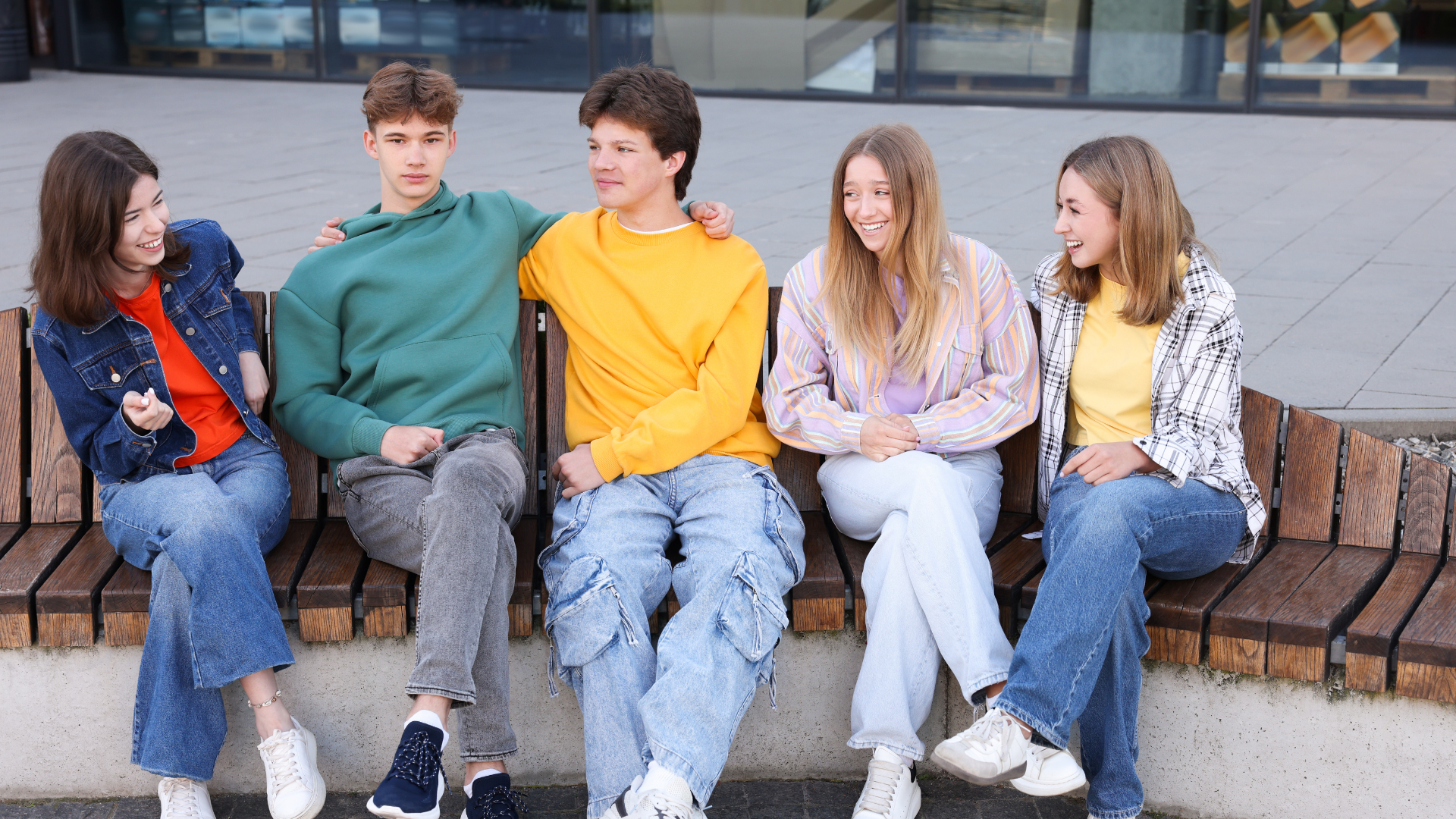
3 Signs Your Teen Needs Social Skills Support (And What To Do About It)
Is your teenager struggling with friendships? Learn the 3 warning signs that indicate your teen needs social skills support and what you can do to help them build lasting friendships.