
A guide for parents
You've found a program you think could really help, and your teen has said no. Maybe it was a quiet "not interested," or maybe it was a firm "I'm not doing that." Either way, it can leave you feeling worried, stuck and unsure what to do next.
If your teen says no to a social skills program, you're not alone. This is a question families ask us, and it deserves an honest, gentle answer.
I'm Chris - founder of Social Skills Australia, a certified PEERS® provider, and a mum of teens myself. Here's what I tell every parent who asks.
The short answer: if your teen says no, we don't enrol them. A no today isn't always a no forever, though, and there are two simple things you can do to keep the door open.
What to do if your teen says no to a social skills program
At Social Skills Australia, we deliver UCLA's Program for the Education and Enrichment of Relational Skills (PEERS®) online for teens and young adults with autism and ADHD across Australia.
We don't enrol a young person who doesn't want to do PEERS®. So if your teen has said no, that's where things rest for now.
It might not be the answer you were hoping for. But it's an answer that respects your teen, and it protects the trust between you.
Should I make my teen do a social skills group?
It's completely understandable to wonder whether a little push might help. You can see how much easier friendships could feel, and you want that for them.
PEERS® works best when a young person really wants to be there. That matters for two reasons:
Motivation matters. PEERS® involves role plays and real-world practice between sessions. That kind of learning takes willing participation.
Their choice matters too. Your teen has the right to decide whether this is something they want to do.
So rather than seeing the no as a setback, it can help to see it as useful information. Right now, the timing or the fit isn't there for your teen. That's okay.
A no today isn't always a no forever
This is the part I most want you to hear. If you're worried you've missed your only chance, please be gentle with yourself.
People's readiness changes over time, and teens are no exception. Something that doesn't feel right this term might feel different later on. I can't promise your teen will change their mind - that's theirs to decide. But a no today doesn't have to mean the door has closed.
The good news is that there are calm, low-pressure ways to stay ready, without pushing.
What you can do instead
Here are two practical things you can do while you wait and see.
1. Join our mailing list
When you're on our mailing list, you'll know what we offer and when our groups are running. That way, if your teen does decide they'd like to try PEERS®, you'll have the information ready.
There's no rush and no deadline here. It simply means that when your teen feels ready, you can move gently while that interest is there.
2. Look into the program yourself
Sometimes the no is really about how a program has come across, rather than the program itself. That's not about anyone getting it wrong - it can be hard to describe something you haven't seen up close yet.
When you understand what PEERS® actually involves, you'll have the words to describe it in a way that feels right for your teen, at a time that suits them.
A few gentle things to keep in mind:
Respect the no, and let your teen know you've heard it.
Keep the conversation open, without bringing it up over and over.
Learn about the program at your own pace, so you feel confident about what it is.
Wait for a calm moment if you'd like to raise it again down the track.
Let your teen lead the decision.
How to talk to your teen about PEERS®
If you'd like to share more with your teen later on, it helps to know what PEERS® is in plain, practical terms. Here's what you can tell them:
It's online, so your teen can join from home, anywhere in Australia.
It's practical. PEERS® teaches real-life skills like starting and keeping conversations, choosing friends, handling disagreements, and handling teasing and bullying.
It's structured. Skills are taught step by step, with role plays and real-world practice.
Parents take part too, as social coaches, so your teen isn't doing it alone.
It's neurodiversity-affirming. PEERS® isn't about changing who your teen is. It's about building skills, strategies and confidence they can use in their own way.
It's evidence-based, developed at UCLA and backed by 20+ years of research.
You might find one or two of these points matter most to your teen. That's a lovely place to start, whenever the moment feels right.
Where to start
Is your teen ready now? Our January 2027 PEERS® groups start Monday 18 January, online from anywhere in Australia. Enrolments close Friday 4 December, and only a few places are left. If your teen is keen, book a free chat with me and we'll find the right group together.
Book a free chat with me to talk through whether a group would suit your teen.
Download our free guide, 5 Steps to Making and Keeping Friends.
If you're not sure, we do an enrolment interview with your teen anyway, so we'll find out together either way.
And when your teen is ready, we'll be here. 💛
Social Skills Australia delivers UCLA's evidence-based PEERS® program online for teens and young adults with autism and ADHD across Australia. Our approach is neurodiversity-affirming and backed by 20+ years of research. Parents take part as social coaches, helping young people build skills and grow confidence in real life.
Frequently Asked Questions
What do I do if my teen says no to a social skills program?
Respect their decision and keep the door open. At Social Skills Australia, we don't enrol a young person who doesn't want to do PEERS®. You can join our mailing list to stay informed, and learn more about the PEERS® program for teens yourself so you're ready if your teen changes their mind later.
Should I force my autistic teen to do a social skills group?
No. PEERS® works best when a young person really wants to be there, and your teen has the right to make that choice. Respecting their no also helps protect the trust between you.
Does PEERS® work if my teen doesn't want to be there?
PEERS® works best when a young person is motivated to take part. The program uses role plays and real-world practice, which rely on willing participation. That's why we only enrol teens who want to do it.
How do I talk to my teenager about joining a social skills program?
Start by learning what the program actually involves, so you can describe it clearly and in your own words. Choose a calm moment, share the parts most likely to matter to your teen, and let them lead the decision.
Social Skills Australia delivers UCLA’s evidence-based PEERS® program online for teens and young adults with autism and ADHD across Australia.
Article by
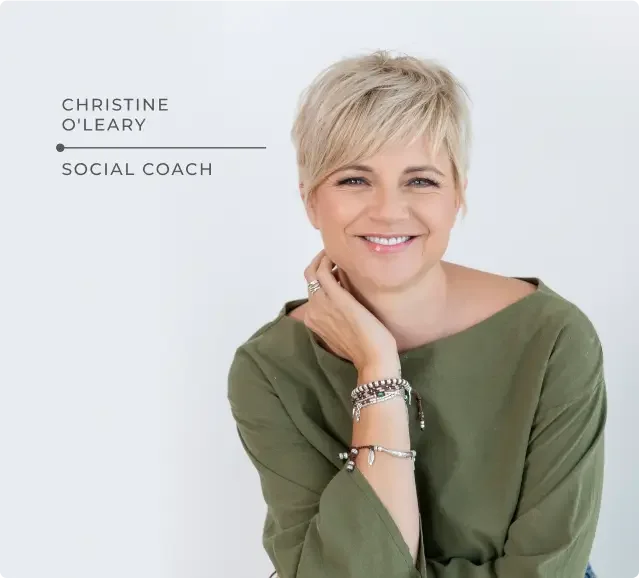
Christine O'Leary
Christine O'Leary is the founder of Social Skills Australia, a Social Communication Educator and a UCLA PEERS® Certified Provider. She brings more than 28 years of communication experience across education, parenting support and consulting, and holds a Graduate Diploma in Communication and a Bachelor of Business Administration from the University of South Australia.
Christine first discovered PEERS® as a parent, when her own son wanted help making friends, and completed the program alongside him. That experience led her to become certified in 2022. Today she and her team deliver evidence-based social skills programs online across Australia for neurodivergent teens and young adults, and have supported hundreds of participants and their families.
Her approach is neuroaffirming and practical: social challenges are skill gaps, not character flaws, and the right skills can be learned.