
Masking can help an autistic young person navigate social situations while hiding some of the effort from friends. Explaining autistic masking to friends can help them understand that experience.
Your teen or young adult may seem comfortable with friends but feel drained afterwards. Their experience deserves to be heard.
This article explores what masking can involve, why it may happen and how friends can respond with care.
It also looks at how families can support communication that respects a young person’s choices and comfort.
Key Takeaways
Masking can include copying social behaviours or holding back natural ways of communicating, and may take energy even when it isn’t visible to others.
Understanding why a young person masks can help families respond with empathy rather than pressure them to fit social expectations.
Friends can make connection feel safer by allowing time to communicate, respecting different participation styles and valuing the person as they are.
Notice whether social time is followed by exhaustion or a need for quiet recovery, and make room for those needs without judgement.
Learning practical social skills can support connection while keeping the young person’s agency and comfort at the centre.
How social expectations can affect autistic friendships
Social expectations can shape how an autistic person communicates, participates and feels in a friendship. When explaining autistic masking to friends, avoid comments like “you don’t seem autistic” or “just be yourself.” They can dismiss hidden effort and imply that acceptance depends on acting a certain way.
Social Scripts and Imitation
Social scripts are prepared phrases or actions used in familiar interactions. Imitation means copying another person’s social behaviour. A young person might rehearse how to join a lunch conversation, mirror a friend’s expressions or use familiar small talk. These strategies can help them participate, but friends may not see the planning behind an exchange that looks easy.
Hiding Autistic Traits
Hiding autistic traits means suppressing or concealing behaviours, preferences or communication styles in a social setting. A teen might hold back stimming, force eye contact or avoid asking for a quieter place because they expect judgement. Some autistic people also avoid conversations or stay at the edge of a gathering to draw less attention. These choices can make their needs less visible to friends.
Mental, Social, and Physical Impacts
Keeping track of facial expressions, conversation turns and expected responses can take sustained effort. After catching up with friends, a young person may feel drained, worry about what they said or need quiet time before doing anything else. Masking can make an interaction feel smoother in the moment, yet leave less energy for connection and contribute to isolation or loneliness over time.
Recovery time is one useful thing to notice. If a young person often needs to rest after a party, group chat or school day, that need may reflect the effort of managing social expectations. Friends can make room for it by accepting a shorter visit, a quiet break or a later reply, rather than treating these choices as rejection.
Social expectations can also make a friendship harder to understand from the outside. Someone who seems relaxed in public may communicate differently in private, where they feel less pressure to monitor their behaviour. Friends who only see the public version may assume the person is comfortable with every activity or conversation. Asking what would help, then respecting the answer, makes support more specific.
As a parent or guardian, focus on the young person’s account rather than deciding what their behaviour means. You might say, “You seemed worn out after the gathering. Would a quieter plan help next time?” This gives them room to share their perspective and avoids treating eye contact, small talk or attendance as proof of friendship.
Why do autistic people mask?
Masking can be a way to manage social risks and pursue meaningful goals, such as safety, acceptance and friendship. The reasons may depend on the setting and the person’s past experiences.
Fitting In
Fitting in can mean adjusting communication or behaviour to meet expectations and reduce the chance of exclusion. For an autistic teen, this might mean holding back a preferred way of expressing enthusiasm because classmates have reacted negatively before. A study involving 262 autistic adults found participants described masking at work and school, including to avoid bullying. The context matters: adaptation may feel protective, even when it takes effort.
Some autistic people mask to reduce the risk of stigma or discrimination. If a young person has been teased, excluded from a group chat or criticised for communicating differently, they may try to make those differences less noticeable. This reflects their experiences, not a lack of pride in being autistic. Asking what feels safer in a particular setting can help families understand what the young person is navigating.
Connecting With Others
Connecting through masking means using learned social approaches to make interactions more predictable or build rapport. A young person might prepare conversation topics before meeting a group or copy a peer’s way of joining in because they want to participate. These strategies can help them take part in friendships, school activities or work, while still requiring sustained attention.
Masking can play a mixed role: it may help someone make or keep friends, while making connection feel effortful. A young person can value a friendship and still need time alone after spending time together. Recognising both experiences helps parents avoid interpreting social fatigue as dislike or disinterest.
Past experiences can also shape when masking feels necessary. A survey of 502 autistic adults found that adults diagnosed later reported more camouflaging than adults diagnosed earlier. This finding highlights how recognition and social history may relate to masking, but it doesn’t explain any one person’s choices. Each young person can have their own reasons, settings and boundaries.
A useful first step for parents is to ask without assuming: “What feels easier or harder around these friends?” Listen for the young person’s priorities, such as avoiding teasing, joining a shared activity or keeping a valued friendship. The goal isn’t to demand unmasking or treat masking as a failure. It’s to understand its purpose and support the young person to choose when they feel comfortable adapting.
Unmasking with accepting friends and communication partners
Unmasking is a personal choice, not a goal friends should set for an autistic person. Acceptance can make comfortable communication easier while leaving control with the young person.
Friends can support someone who masks by listening, allowing time to respond and accepting different ways of communicating. They can offer options, such as a quiet break or text instead of a phone call, without asking the person to change or explain themselves.
To set a boundary, name the situation and what would help. For example, a young person might tell a friend, “I’m happy to come, but I’ll leave if the room gets too loud,” or “I need time to reply, so please don’t keep messaging.”
Acceptance of Autistic Behaviours
Accepting autistic behaviours means responding respectfully to a person’s natural communication and self-regulation, rather than treating those behaviours as something to hide. A friend might accept stimming, less eye contact, direct language or a pause before an answer without drawing unwanted attention to it. This reduces pressure to perform and lets the young person decide what feels comfortable.
Friends can show acceptance through everyday actions. They might let someone move to a quieter seat, use headphones during a break or communicate through writing. They can also ask before offering help, since an adjustment that suits one person may not suit another.
Authentic Relationships
Authentic relationships make room for each person’s communication style and preferences, rather than relying on a polished social performance. In a study of 133 autistic adults, participants said they could unmask with people who accepted different communication styles and did not pressure them to perform. This highlights how friends’ responses can shape whether interaction feels safer.
For a parent or guardian, support can mean helping a teen identify trusted people and decide what they want to share. The young person might explain, “I sometimes need a pause to organise my thoughts,” or simply ask a friend to wait without giving a reason. Choosing to share less is also a boundary worth respecting.
In conversation, friends can respond to the message rather than correcting how it is delivered. If a young person looks away while listening, for example, a friend can keep talking instead of demanding eye contact. If the conversation becomes tiring, they can agree on a shorter catch-up or a quieter activity. These adjustments support connection without turning unmasking into a test.
Acceptance doesn’t mean every interaction will feel easy or that friends must guess what someone needs. A respectful check-in, such as “Would you prefer a break or to keep talking?”, offers choice without pressure. The young person can answer, change their mind or decline. That flexibility makes boundaries part of friendship, not a barrier to it.
Emotional and mental health costs of masking
Masking can take emotional and physical energy, especially when social expectations require constant self-monitoring. Autistic people may feel depleted after maintaining a social presentation, even when an interaction looked comfortable.
Emotional Costs of Masking
The emotional costs of masking can include stress from monitoring behaviour and uncertainty about identity or self-worth. A young person might replay a conversation after school, wondering whether their expressions or words seemed acceptable. Over time, repeatedly adjusting to others’ expectations can make it harder to recognise which social choices feel comfortable to them.
Masking can also offer short-term protection from rejection or judgement, so stopping may not feel safe in every setting. For example, a teen might choose to mask around classmates who have previously made unkind comments, while communicating more freely with a trusted cousin. Families can take that distinction seriously rather than treating every choice to mask as a problem.
Mental Health and Energy
Masking can use energy a young person might otherwise spend on study, hobbies or recovery after social contact. They may come home from school and need quiet, postpone homework or have less energy for a planned family activity. Noticing these patterns can help parents understand that the visible interaction may not show the full effort involved.
A 2024 analysis pooling results from 16 studies found that more camouflaging was associated with higher depression, anxiety and social anxiety, and somewhat lower wellbeing. The reported correlations were 0.36 for depression, 0.27 for anxiety, 0.24 for social anxiety, and minus 0.13 for wellbeing. These findings describe associations, not proof that masking caused a particular person’s mental health experience.
Camouflaging has also been linked with serious mental health concerns. In a study of 164 autistic adults, camouflaging was linked with suicidal thoughts and behaviours after accounting for depression and anxiety. This finding warrants care, not alarm or assumptions about any one young person. If a teen talks about suicide or immediate danger, treat their words seriously and seek urgent support in Australia.
Families can start by noticing what happens before and after demanding situations. A calendar entry for school presentations, group outings or family events can help identify patterns alongside sleep, energy and mood. Ask the young person what might make the next event easier to manage, such as a shorter visit or time alone afterwards. These observations can open a conversation about their needs without asking them to prove how hard masking feels.
Masking’s impact on friendships and relationships
Masking can shape what friends understand about an autistic person’s preferences, needs and personality. A young person might agree to plans to avoid disappointing someone, then feel unable to manage the activity.
This gap can confuse both friends. A friend may read agreement as genuine enthusiasm, while the young person feels their limits were missed. Over time, hiding preferences can make it harder to negotiate plans honestly. A quieter catch-up, shorter visit or clear time to leave can help friends plan together.
Masking can also affect how others interpret communication. A young person may use familiar phrases or seem confident while feeling uncertain about a friendship. If friends respond only to that outward presentation, they may miss a request for clarity or assume the person needs no support. Asking, “Would you like me to explain what I mean?” can reduce guesswork.
Some autistic people say others have doubted their autism because they don’t recognise the masking involved. Comments like “You can’t be autistic, you’re so friendly” can dismiss their experience and make future conversations feel less safe. A more respectful response is to accept what the person shares, without asking them to prove it through particular behaviours.
Parents can help a teen think through relationship patterns without deciding which friendships are genuine. Consider whether the young person can disagree about a movie, ask to change plans or say they need time before replying. These everyday moments can show whether both people have room to express preferences and provide a starting point for discussing mutual respect.
Explaining masking to a friend doesn’t require sharing every private detail. A young person might choose one clear sentence: “I sometimes hide how much effort socialising takes, so I may need flexibility with plans.” They can share it in person, by message or with support from a trusted adult. The friend’s response can help them decide what to share next.
Friendship does not require identical communication styles or constant availability. It can include clearer plans, direct check-ins and respectful responses when someone sets a limit. These adjustments make it easier to understand each other’s intentions, rather than judging the relationship by how well someone performs expected social behaviours. Families looking for structured opportunities to practise communication skills can explore practical social skills support.
Social Skills Australia
Social Skills Australia offers programs for autistic and ADHD teens and young adults who want to build practical skills for connection. If masking has made friendships harder to understand or navigate, structured opportunities to learn and practise social skills may be a useful next step.
Families can explore the Adolescent Program, Young Adult Program, Self-Paced PEERS Course or Self-Paced Dating Intensive, depending on the young person’s age and goals. These programs teach social skills without making changing who they are the aim.
If you’re considering support for your young person, contact Social Skills Australia to learn about or enrol in the next intake.
Make space for the next conversation
Understanding doesn’t require a perfect explanation. A young person can decide what they want friends to know, who feels safe to tell and whether they would rather speak, write or wait. Those choices may change as relationships grow, so families can keep listening without setting a deadline for disclosure or unmasking.
When explaining autistic masking to friends, the aim can be shared understanding, not convincing someone or earning acceptance. A useful next step may be helping your young person choose one point they want a friend to understand, while keeping control of what stays private. Their voice and timing matter.
If your family would like support building practical social skills and confidence for connection, explore the next intake with Social Skills Australia. A thoughtful conversation can help you consider whether this support suits your young person’s goals.
Where to start
Download our free guide, 5 Steps to Making and Keeping Friends.
Book a free chat with me to talk through whether a group would suit your teen.
Frequently Asked Questions
What is masking?
Masking is a broad term for adjusting how someone presents themselves in response to social expectations. It doesn’t mean every behaviour is planned or deliberate. A person may notice some strategies, while others become familiar habits over time. The term describes a possible experience, not a test for autism, and one behaviour alone can’t show whether someone is masking.
What About Unmasking?
Unmasking can mean making more room for personal preferences and communication needs in settings that feel comfortable. It doesn’t require sharing an autism diagnosis or changing behaviour in every situation. A young person might tell one trusted friend what helps during group work while keeping that information private elsewhere. Their comfort, safety and choice matter more than someone else’s idea of authenticity.
What Are the Three Parts of the Mask?
The Camouflaging Autistic Traits Questionnaire groups camouflaging into compensation, masking and assimilation. Compensation refers to strategies for navigating social situations; masking describes concealing traits or presenting expected behaviours; assimilation concerns fitting into a social setting. These are questionnaire categories, not a checklist every autistic person experiences. They can help describe different strategies, but don’t determine an individual’s identity or needs.
What is camouflaging?
Camouflaging is a term used to describe strategies that make autistic traits less visible or help someone manage social situations. It overlaps with masking, though people may use the terms differently. For instance, a person might prepare a response before a meeting or follow a group’s conversational pace. The label matters less than understanding what the person experiences and what support they want.
What is autistic masking and why do autistic people do it?
Autistic masking describes adapting or concealing aspects of oneself in response to social expectations. Reasons vary between people and situations. Someone might try to avoid negative attention in a new group, meet expectations at school or take part in an activity they value. Those reasons can change over time. Asking what matters to the young person is more helpful than guessing their motivation.
How can I explain autistic masking to friends in simple terms?
Keep an explanation brief and focused on one useful point. You could say, “I sometimes put effort into managing how I come across, so I may need a little time to recharge afterwards.” Then make a request, such as planning a quieter catch-up next time. Explaining autistic masking to friends is a personal choice; a young person can share as much or as little as feels right.
What are common examples of autistic masking in friendships and social situations?
Examples might include choosing a familiar phrase because it seems expected, holding back a question to avoid interrupting or agreeing with a group’s plan despite having another preference. These behaviours can mean different things to different people. Rather than labelling a friend’s actions, ask an open question such as, “Would you rather do something else?” This invites an honest answer without assuming how they feel.
How can I tell friends I may communicate or behave differently when I feel safe?
You might say, “I can take a while to warm up. With people I trust, I may be more direct or share more about my interests.” If useful, name a preference, such as having plans confirmed by message. A young person can practise the wording with a parent or trusted person, then decide whether to share it in conversation or in a written note.
Images are not included in this email. Open the article in your dashboard to see and download them.
Social Skills Australia delivers UCLA’s evidence-based PEERS® program online for teens and young adults with autism and ADHD across Australia. Our approach is neurodiversity-affirming and backed by 20+ years of research. Parents take part as social coaches, helping young people build skills and grow confidence in real life.
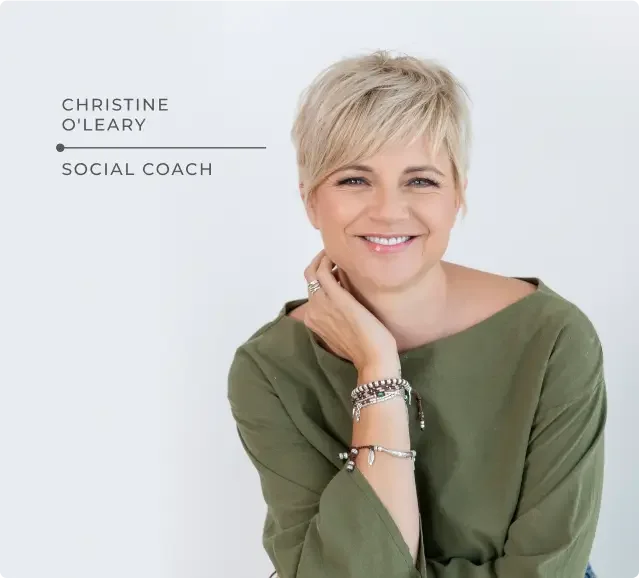
Article by
Christine O'Leary
Christine O'Leary is the founder of Social Skills Australia, a Social Communication Educator and a UCLA PEERS® Certified Provider. She brings more than 28 years of communication experience across education, parenting support and consulting, and holds a Graduate Diploma in Communication and a Bachelor of Business Administration from the University of South Australia.
Christine first discovered PEERS® as a parent, when her own son wanted help making friends, and completed the program alongside him. That experience led her to become certified in 2022. Today she and her team deliver evidence-based social skills programs online across Australia for neurodivergent teens and young adults, and have supported hundreds of participants and their families.
Her approach is neuroaffirming and practical: social challenges are skill gaps, not character flaws, and the right skills can be learned.