
A guide for parents
Watch the video here: https://youtube.com/shorts/qLxCAKdRJBE?feature=share
Is your teen finishing Year 12? Friendships and routines can change a lot when school ends, and it's something nobody really warns you about. If you're already wondering what the weeks after the last exam will look like for your young person, that's a very understandable thing to be thinking about.
I'm Chris - founder of Social Skills Australia, a certified PEERS® provider and a mum of teens myself. So this one is for all the other mums, dads and guardians out there with a young person finishing Year 12.
The short answer: when school finishes, the daily structure and the built-in contact with other young people stop too. Staying intentional about the friendships your teen already has, and finding community versions of their school clubs or teams, can help them stay connected. The good news is that these are skills, and they can be learned.
What happens to friendships when school finishes?
For around 13 years, school has quietly given your teen two things, without anyone having to organise them:
Structure: places to go and things to do every day
People: friends, or at least familiar faces to be around every day
The day school finishes, both of those things stop.
No more seeing the same faces in class or at lunch. No more school clubs - things like chess club - and no more school teams. For young people who haven't yet had the chance to build friendships outside of school, it can get very quiet, very quickly.
Teen finishing Year 12: why friendships can go quiet
I often get calls from parents who find their young person feels a bit lost once school finishes. The clubs have finished, the routine has finished, and they're not seeing the same faces every day.
If that sounds familiar, please know it isn't a sign that anyone has done anything wrong. School does a lot of the social "heavy lifting" for teens. It puts people in the same room, day after day, with shared things to do. When that disappears, it makes sense that friendships can drift.
It's also worth saying gently that quiet doesn't automatically mean lonely. After a big, demanding final year, many young people really value some downtime. The aim isn't to fill every day. It's to make sure your teen has ways to stay connected when they're ready.
For an autistic teen finishing Year 12, or any neurodivergent teen after Year 12, this change can feel especially big. Familiar routines and familiar people can be a real anchor. So if your young person seems a bit unsettled, that's completely understandable.
How to help your teen stay connected after high school
Here's the shift: after school ends, friendships don't maintain themselves any more. Someone has to send the message and make the plan.
That might sound like extra work, and it is a little. But it's also very doable, especially when you think of it as something you and your teen figure out together.
What to try
1. Be intentional with the friendships they already have
Talk with your teen about which school friends they'd like to stay in touch with.
Encourage regular contact - a message, a shared game, a catch-up - so friendships don't fade simply because the daily contact has stopped.
Help them think through how to make a plan with a friend, rather than waiting to bump into each other.
Keep it a shared effort. Your role can be a supportive social coach in the background, not the one doing it all.
2. Keep their interests going outside of school
Think about what they enjoyed at school. Was it a team, a club, a particular activity?
Look for the community version of that club or team. Shared interests are where friendships start.
If local options are limited - which can happen, especially in regional areas - look for other ways to connect around the same interest, including online groups.
Start small. One regular activity can bring back a bit of structure and some familiar faces.
3. Go at their pace
Check in about how they're feeling rather than assuming.
Respect that some downtime after Year 12 is healthy and well earned.
Celebrate small steps, like sending one message or trying one new group.
Helping your teen make friends after high school: these are skills
Here's the part I most want you to take away. Staying in touch, making plans and finding new friends aren't things young people are just expected to "know". They're skills - and skills can be learned and practised.
That's exactly what we teach in the Program for the Education and Enrichment of Relational Skills (PEERS®). It's an evidence-based program developed at UCLA and backed by 20+ years of research. At Social Skills Australia, we deliver it online for teens and young adults with autism and ADHD across Australia, so families can join from wherever they live.
PEERS® teaches practical skills like:
Starting and keeping conversations
Choosing friends
Handling disagreements
Handling teasing and bullying
We use structured, step-by-step teaching, role plays and real-world practice. Parents take part as social coaches, which means you're building your young person's confidence together, not on your own. Our approach is neurodiversity-affirming. It's about growing skills and confidence, not changing who your young person is.
Where to start
If your teen is finishing Year 12 and you'd like some support with what comes next, here are two gentle first steps:
Download our free guide, 5 Steps to Making and Keeping Friends.
Book a free chat with me to talk through whether a group would suit your teen.
The end of school is a big change - and with a bit of planning and the right skills, it can also be a fresh start for friendships. 💛
Social Skills Australia delivers UCLA's evidence-based PEERS® program online for teens and young adults with autism and ADHD across Australia. Our neurodiversity-affirming approach helps young people build practical social skills and confidence, with parents taking part as social coaches.
Frequently Asked Questions
What happens to friendships when school finishes?
When school finishes, the daily contact with friends and the structure of the school week both stop. Without seeing the same faces every day, friendships can drift unless someone makes the effort to stay in touch. Being intentional about messaging and making plans can help keep those friendships going.
Why is my teen lonely after finishing Year 12?
For many years, school has provided built-in social contact and routine, and both end when Year 12 finishes. Young people who haven't yet had the chance to build friendships outside of school can find things get quiet quickly. Some quiet time after a demanding year is healthy too, so it helps to check in with your teen about how they're feeling.
How can I help my autistic teen keep friends after Year 12?
Encourage regular contact with the friends they'd like to stay connected with, and help them practise making plans rather than waiting to bump into each other. Keeping their interests going through a community club or team can also open the door to new friendships. Think of it as a shared effort, with you as a supportive social coach.
What should my teen do after Year 12 to meet people?
Look for the community version of a club, team or activity they enjoyed at school, because shared interests are where friendships often start. If local options are limited, online groups around the same interest can be a good starting point. Social skills programs such as PEERS® can also help young people learn practical skills for making and keeping friends.
Social Skills Australia delivers UCLA’s evidence-based PEERS® program online for teens and young adults with autism and ADHD across Australia.
Article by
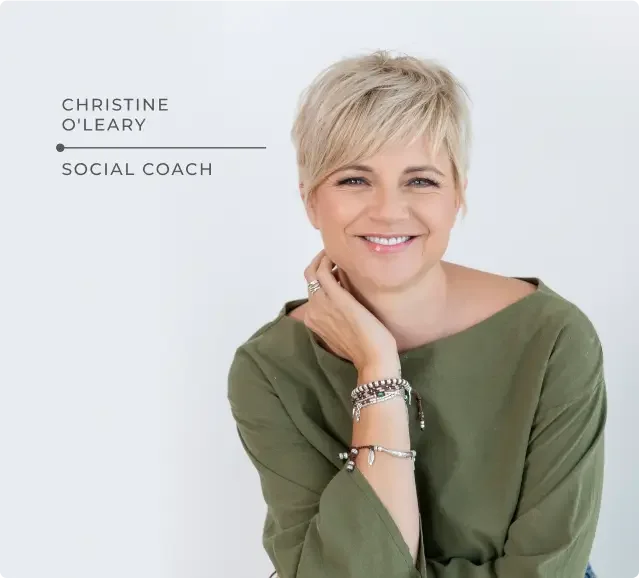
Christine O'Leary
Christine O'Leary is the founder of Social Skills Australia, a Social Communication Educator and a UCLA PEERS® Certified Provider. She brings more than 28 years of communication experience across education, parenting support and consulting, and holds a Graduate Diploma in Communication and a Bachelor of Business Administration from the University of South Australia.
Christine first discovered PEERS® as a parent, when her own son wanted help making friends, and completed the program alongside him. That experience led her to become certified in 2022. Today she and her team deliver evidence-based social skills programs online across Australia for neurodivergent teens and young adults, and have supported hundreds of participants and their families.
Her approach is neuroaffirming and practical: social challenges are skill gaps, not character flaws, and the right skills can be learned.