
If mornings have become a battle - tears, tummy aches, a child who simply cannot get out the door - you may have heard this called “school refusal.” More and more families and professionals now use a different term: School Can’t. And that small shift in language changes everything about how we understand what’s happening, and how we help.
I’m Chris, a certified PEERS® provider, the founder of Social Skills Australia, and a parent of teens myself. Let me walk you through the difference, why it matters, and where support fits in.
“School refusal” or “School Can’t”? Why the words matter
You’ll still see “school refusal” almost everywhere, it’s the term used in most research, and in Australia’s 2023 Senate inquiry, so it’s also what most parents type into Google. But the word “refusal” carries a quiet problem: it sounds like a choice. It implies defiance, or a child being difficult, and it places the blame on them.
“School Can’t” tells a truer story. This is a child who is overwhelmed, not one who won’t. What looks like refusal is almost always a stress response - fight, flight or freeze - not bad behaviour. The guiding principle many of us now work from is simple: kids do well if they can. If your child could walk through that gate without distress, they would.
School Can’t is rarely about one thing
Here’s the part that matters most, and the part some simpler explanations miss: School Can’t is almost never about “not wanting to learn.” It usually has several threads tangled together, which can include:
Sensory overload - noise, lights, crowds, the sheer intensity of a school day
Autistic burnout - running on empty after months of holding it together
Anxiety - a body stuck in threat mode
The weight of constant demands (sometimes a demand-avoidant, or PDA, profile)
Unmet learning needs that make the day feel impossible
Bullying, or feeling unsafe
And, for many children, social difficulties
Usually it’s not just one of these - it’s several at once. Which means there is no single magic fix, and no quick cure. If anyone promises one, be cautious.
Where social confidence fits
For a great many children, the social side is a big and under-recognised piece of the picture. It’s often the unstructured moments that tip a day from hard to unbearable - lunchtime, group work, the bus, the corridor - and not having a single friend to stand with can make school feel genuinely unsafe.
When a child has friendships, and the skills and confidence to navigate them, some of that load can lift. But this is one piece of the puzzle - never the whole answer. It sits alongside everything else your child may need.
What actually helps
Every child’s School Can’t is different, but a few principles hold true across the board:
Lower the pressure first. Safety and connection come before attendance - a dysregulated child can’t learn or problem-solve.
Get curious about the why. Understanding what’s underneath, rather than pushing through, is where real help begins.
Work as a team - with your child, and with the school. Small, supported steps, not forced ones.
Look after yourself, too. This is genuinely hard, and needing support doesn’t mean you’re failing.
You’re not alone
School Can’t is far more common than many parents realise. If social confidence turns out to be part of your child’s story, that’s where we may be able to help: Social Skills Australia runs evidence-based, neurodiversity-affirming PEERS® programs online, building real friendship skills in a supported group. One piece of support, among the others your child may need.
Download our free guide, 5 Steps to Making and Keeping Friends.
Book a free chat with me to talk through whether PEERS® is right for your young person. Enrolments are open for our January 2027 intake.
Above all: it’s not that your child won’t. It’s that, right now, they can’t. And once we understand why, we can begin to help.
Frequently Asked Questions
Is “school refusal” the same as “School Can’t”?
They describe the same experience, with very different framing. “School refusal” is the older, clinical term; “School Can’t” better reflects that this is distress-driven, not a choice a child is making.
Is School Can’t just anxiety?
Not always. Anxiety is often part of it, but it can also stem from sensory overload, autistic burnout, the weight of demands, unmet learning needs, bullying or social difficulties - frequently several at once.
Will pushing my child to attend help?
Usually not. Forcing attendance tends to increase distress and erode trust. Lowering the pressure, and understanding the why underneath, is far more effective in the long run.
Social Skills Australia delivers UCLA’s evidence-based PEERS® program online for teens and young adults with autism and ADHD across Australia.
Article by
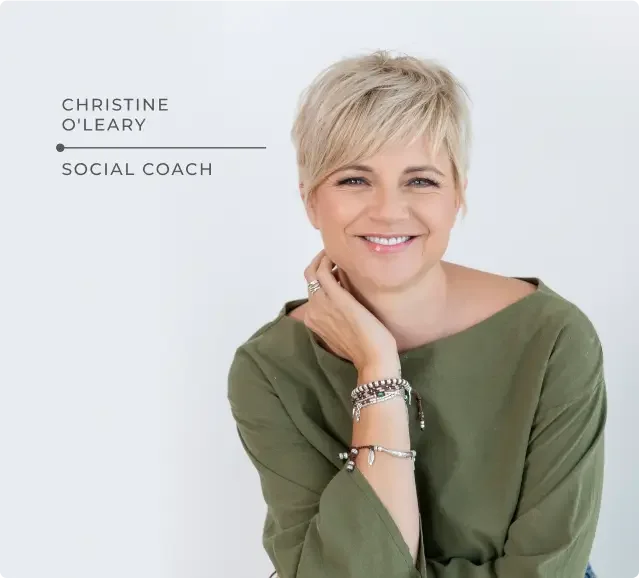
Christine O'Leary
Christine O'Leary is the founder of Social Skills Australia, a Social Communication Educator and a UCLA PEERS® Certified Provider. She brings more than 28 years of communication experience across education, parenting support and consulting, and holds a Graduate Diploma in Communication and a Bachelor of Business Administration from the University of South Australia.
Christine first discovered PEERS® as a parent, when her own son wanted help making friends, and completed the program alongside him. That experience led her to become certified in 2022. Today she and her team deliver evidence-based social skills programs online across Australia for neurodivergent teens and young adults, and have supported hundreds of participants and their families.
Her approach is neuroaffirming and practical: social challenges are skill gaps, not character flaws, and the right skills can be learned.